

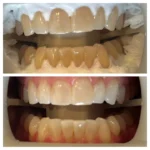
Cavities on Front Teeth: The Hidden Impact on Confidence and Smile Health
A visible cavity on a front tooth can feel impossible to ignore. Because front teeth are seen when you speak, […]
Reviewed by Dr. Drew Endicott, Endicott Dental, Broken Arrow, OK. Updated September 23, 2026.
A cavity behind or on a front tooth is not an emergency, but it is one of the fastest-growing cavities in the mouth because front-tooth enamel is thin. Caught early, it is fixed in one visit with a tooth-colored filling that is invisible from the front. Left for months, it can reach the nerve and need a root canal or crown.
The back of a front tooth is a blind spot: you can’t see it in the mirror, so the first sign is usually a rough edge your tongue keeps finding, sensitivity to cold, or a dark spot at the gumline. Dr. Drew Endicott treats these every week at Endicott Dental in Broken Arrow; here is how to tell whether yours is serious and what the repair involves.
At Endicott Dental, we diagnose and treat cavities on front teeth using conservative, natural-looking restorations whenever possible. Early treatment helps stop decay before it spreads and often allows for simpler repairs.
Don’t Wait on a Front Tooth Cavity
Early treatment can help prevent further damage. Schedule your dental visit today for the right repair option.
Yes. Most cavities on front teeth can be repaired with modern restorative treatments that restore both function and appearance.
Small cavities are commonly treated with tooth-colored composite fillings or dental bonding. These materials are carefully matched to the shade of your natural teeth, making the repair difficult to notice.
Larger cavities may require additional treatment, including:
The best treatment depends on:
Treating decay early usually preserves more of your natural tooth and helps avoid more extensive procedures later.

Cavities on the back (tongue side) of the front teeth usually start where plaque sits undisturbed: along the gumline and in the small grooves behind the upper and lower incisors. These spots are easy to miss with a toothbrush and impossible to see in a mirror. Dry mouth, crowded teeth, and frequent sipping of sugary or acidic drinks make them even more vulnerable.
Because you can’t see them, many patients only discover a cavity behind a front tooth during a routine dental exam or after they notice sensitivity or a rough spot with their tongue. For a full breakdown of causes and the earliest warning signs, see our guide on what causes cavities on front teeth.
A cavity does not always cause pain in its early stages. Knowing the warning signs can help you seek treatment before the decay becomes more serious.
Common symptoms include:
If you notice any of these symptoms, scheduling a dental evaluation as soon as possible is recommended.
Treatment depends on how much decay is present and whether the tooth has been structurally weakened.
Composite fillings are the most common solution for small to moderate cavities.
During treatment, the dentist:
Because composite resin bonds directly to the tooth, it provides both strength and aesthetics.
Bonding is another excellent option when cosmetic appearance is especially important. The composite material restores the damaged area while blending naturally with the surrounding enamel.
If decay is accompanied by cosmetic concerns such as discoloration or minor chips, porcelain veneers may be recommended after the decay has been treated.
When a large portion of the front tooth has been damaged, a dental crown may provide the best long-term protection by covering and strengthening the remaining tooth structure.
The primary goal of every treatment is to remove decay while preserving as much healthy tooth structure as possible.

Yes. Cavities behind front teeth are often repaired successfully, especially when detected early.
These cavities commonly form:
Because these areas are difficult to inspect at home, many patients first learn about the decay during routine X-rays or dental examinations.
Treatment usually involves:
Delaying treatment allows bacteria to continue damaging the tooth, increasing the likelihood of pain, infection, and more extensive restorative care.
Modern front tooth fillings are designed to blend naturally with your smile.
Composite resin comes in multiple shades, allowing your dentist to closely match your natural enamel. After shaping and polishing, most small fillings become very difficult to detect.
Several factors influence how noticeable a filling may be:
Even larger restorations can often provide highly natural-looking results when carefully planned and placed.

After a filling or bonding, the same daily habits that protect the rest of your smile keep the repaired area healthy: brush twice a day with fluoride toothpaste and angle the bristles behind your front teeth, floss daily, limit sipping on sugary or acidic drinks, and keep up with regular cleanings so small problems are caught early.
For more detail, read our guide to preventing front tooth cavities.
Schedule a dental appointment if you notice:
Once a cavity has created a hole in the enamel, it cannot heal on its own. Early treatment is generally simpler, less invasive, and more affordable than waiting until the decay progresses.
Endicott Dental provides personalized treatment for cavities affecting the front teeth, including decay between the teeth, behind the teeth, and near the gumline.
Our team focuses on preserving healthy tooth structure while restoring the appearance, strength, and function of your smile. Every treatment plan is tailored to the condition of your tooth and your long-term oral health goals.
If you think you may have a cavity on a front tooth, schedule an examination with Endicott Dental. Early diagnosis can often lead to simpler treatment and better long-term outcomes.
Not usually. It is treated like any other small cavity with a filling. It becomes serious only if it is ignored long enough to reach the nerve, which shows up as lingering pain or a dark spot spreading toward the gum.
Plaque collects on the tongue side of the upper front teeth where saliva flow is lower, and most people brush the front surface but not the back. Frequent sipping of sweet or acidic drinks makes it worse.
Yes. A composite filling is matched to your tooth shade, and cavities behind a front tooth are filled from the tongue side, so nothing is visible when you smile.
One visit, usually 20–40 minutes per tooth, with local anesthetic.
Larger decay is repaired with bonding, a veneer, or a crown, depending on how much enamel is left. Dr. Endicott will show you the X-ray and the options at your exam.
A cavity on a front tooth should never be ignored. Prompt treatment can stop the decay, preserve your natural tooth, and restore the appearance of your smile before the damage becomes more extensive.
Whether you have noticed sensitivity, discoloration, roughness, or suspect a cavity behind your front teeth, the team at Endicott Dental can evaluate the problem and recommend the most appropriate treatment. From tooth-colored fillings and bonding to more advanced restorative options, we provide personalized care designed to keep your smile healthy and natural-looking.
Schedule an appointment with Endicott Dental today to receive expert evaluation and front tooth cavity treatment tailored to your needs.

Fix That Front Tooth Fast
Don’t let a cavity affect your smile. Call today for professional treatment and a natural-looking repair.

© 2026 Endicott Dental. Endicott Dental is located in Broken Arrow, OK but happily serves Bixby, Brookside, East Village, Gilcrease, Greenwood District, Jenks, Midtown, Oakhurst, Prattville, Sand Springs, South Tulsa, Tulsa, and Turley. The contents of endicottdental.com are licensed under a Creative Commons Attribution-NonCommercial 4.0 International License. Copying without permission is strictly forbidden. Privacy Policy | Accessibility